
What's the Thing With Macros?
How do macronutrients affect your exercise and fitness goals?

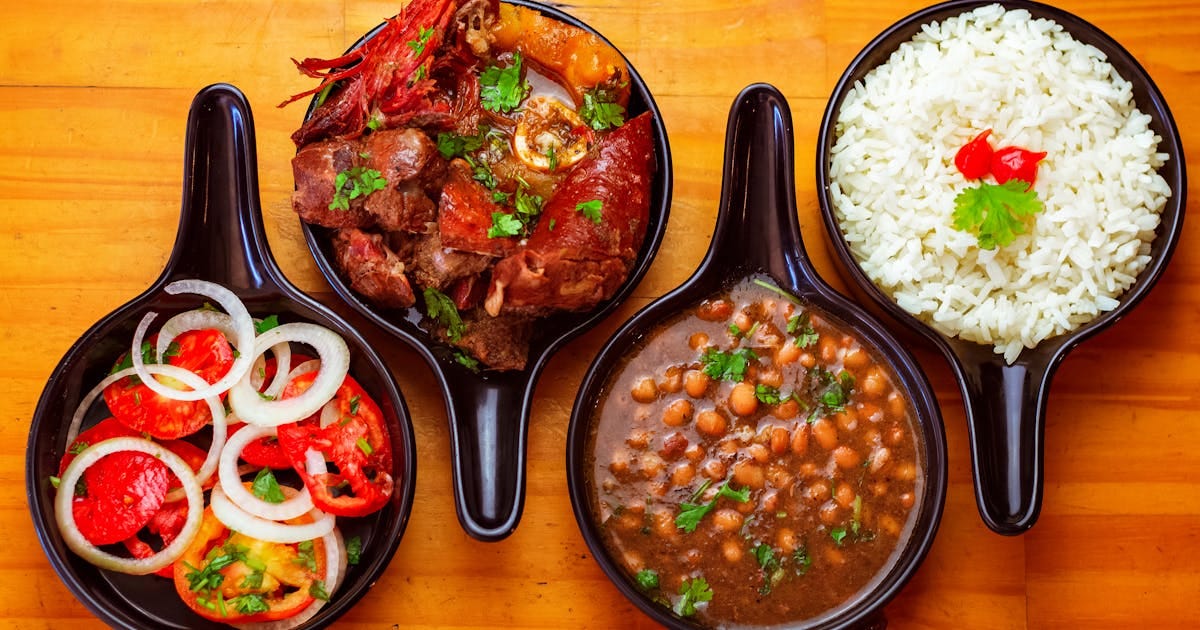
If you use social media regularly and you’re a fitness enthusiast, you’ve likely heard someone talk about macros. The first time I heard the word. I remember feeling a tad bit overwhelmed. “This fitness thing is beginning to look like too much. What’s macros again?” It sounded like statistical analysis.
Eventually, however, I learned about it, and it no longer seemed so confusing. Let me give you a crash course on macros and how they affect your fitness goals.
What are macros?
It’s just a short name for “macronutrients.” Macronutrients are the nutrients your body needs in large quantities to maintain essential functions, and they are present in most of the foods the average person eats. There are three macronutrients: carbohydrates (carbs), fats, and protein, and while they all provide energy in the form of calories, they have specific functions.
You’ve probably heard it all before - carbs give you energy, protein is used in the growth and repair of body tissue, and fats also provide energy and aid in nutrient absorption. Away from these, how do macronutrients factor into your exercise?
How do macros affect muscle and strength gain?
No macronutrient is inherently bad for you. They all serve the body in different ways. However, if you’re trying to build muscle and strength, you want to eat as much protein as you can. There is a lot of disagreement in the fitness community about the right amount of protein a person should eat for optimal muscle building. However, the International Society of Sports Nutrition suggests 1.4 - 2 grams of protein per kilogram of body weight daily.
The same organization suggests that for people who already have some muscle (resistance-trained individuals), 3 grams of protein per kilogram of body weight every day could be beneficial.
What about fats?
Fats are the macronutrient with the most energy. For one gram of fat, you get 9 calories. This is in large contrast to both carbs and protein, which both give you 4 calories per gram.
What this means is that when you eat fats, you eat more calories with less food. Here’s an example: One gram of boiled beef, which is mostly protein, has 3 calories. On the other hand, one gram of peanuts (groundnuts), which is mostly fats, has 6 calories. So, for the same amount of food (one gram in this example), fats give you more energy.
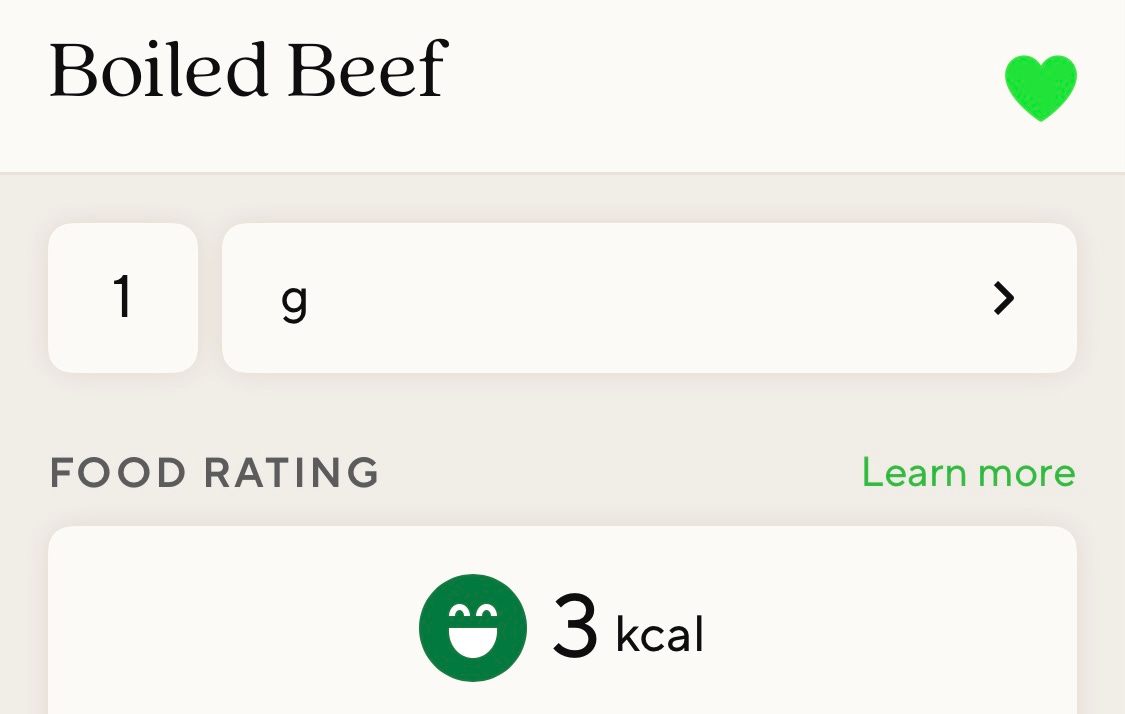
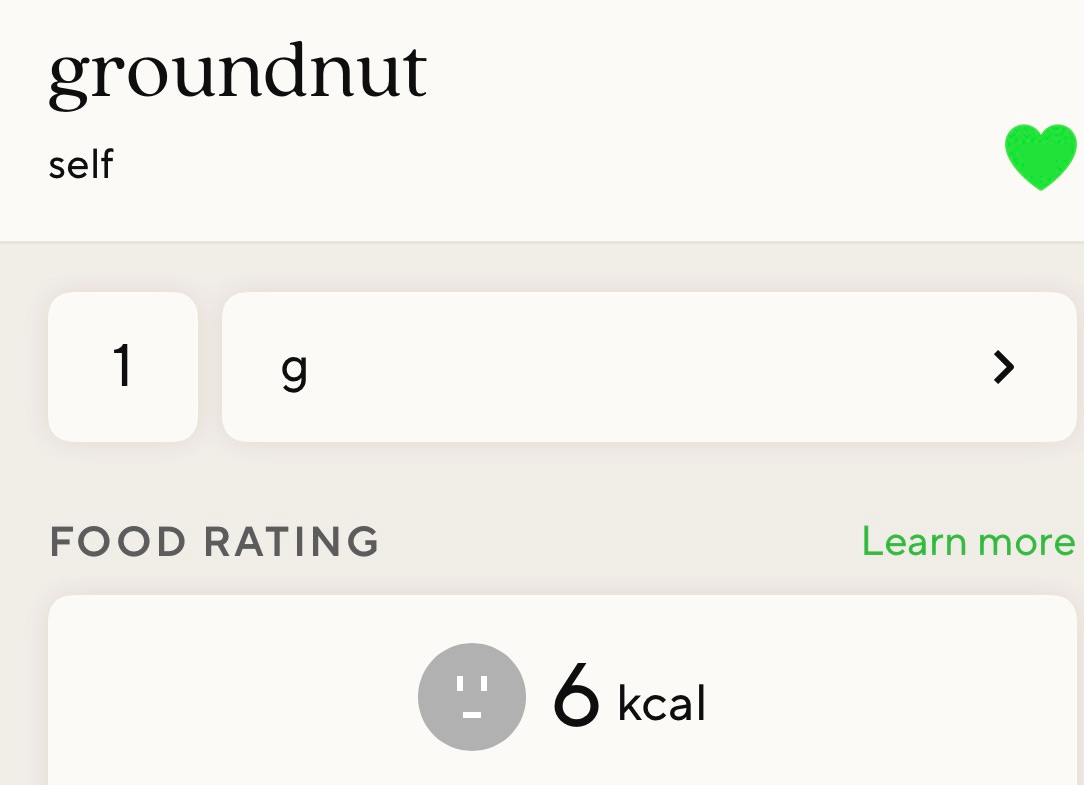
What does this mean for muscle gain? If you’re struggling to gain weight, consuming more fats can help. To gain weight, you have to eat in a calorie surplus — more energy than your body expends, and sometimes, this can be a lot of food. Fats could help in such situations because the slightest amount of food could have so many calories that you no longer have to eat so much before you achieve a caloric surplus.
What about carbs?
Carbs’ fundamental function is to provide energy. They are turned into glucose, which can be used almost immediately as an energy source. Carbs can be further broken down into glycogen if all the glucose is not used up. Glycogen is then stored in the liver and muscles.
You see, carbs are important because they give you energy when you need it. They don’t make you wait the same way proteins and fats do. All macronutrients eventually result in energy, but carbs generally produce energy faster.
To capitalize on this benefit, you could consume carbs before you train to get some quick energy. Consuming carbs just after a workout session to replenish your glycogen stores is also beneficial.
How do macros affect weight loss?
Again, if you’re trying to lose weight, you should focus on protein. It’s the most satiating macronutrient, which means that it makes you feel fuller for longer when you eat it. Look at this excerpt from “Tips for Sticking to Your Diet and Fitness Goals This Holiday Season.”
Well, your body ends up breaking protein down into amino acids. These amino acids now stimulate the release of some gut hormones that convince your brain you’re satisfied. Examples of such hormones are glucagon-like peptide (GLP 1) and cholecystokinin (CCK).
Another way protein makes you feel satiated is that it slows the absorption of glucose into the bloodstream, thereby keeping your blood sugar level steady. Sudden changes in blood sugar levels cause cravings, but protein can help moderate this. That’s another way it keeps you from wanting food.
Additionally, as confirmed in a study published in the American Journal of Clinical Nutrition, protein diets are related to increased thermogenesis. This simply means that your body expends more energy digesting protein than it does with other nutrients. So, fundamentally, eating more protein helps you burn more calories.
If you’ve been engaging in resistance training for a while, and you want to lose some fat in order to look more muscular (you want to go on a cut, basically), protein intake is even more important. You see, when you’re trying to build muscle in a caloric surplus, you can compromise a little on the protein because you’re getting a lot of nutrients — you’re eating more food than your body even needs.
However, in a caloric deficit, where you’re eating less food than your body needs, it’s expedient to eat as much protein as you can. This would help maintain your current muscle mass while you lose fat. The suggestions from “How do macros affect muscle and strength gain” above also work — 1.4 - 2 grams per kilogram of body weight or 3 grams per kilogram of body weight in already-muscular individuals.
What about fats?
Fats are quite calorie-concentrated, as mentioned above. So, you want to watch how you consume them on a calorie deficit. You don’t need to avoid them. In fact, you can hardly avoid them because there are fats in most protein sources. But if you’re trying to lose weight, you could go for the less fatty protein alternatives.
Here’s some actionable advice based on all this information:
1. Eat your protein, then eat any other macronutrients you prefer.
For both muscle gain and weight loss, protein is essential. So, prioritize this macronutrient. After that, the rest of your diet can be made up of whatever you like, as long as it fits within your calorie requirements. This means that you still need a calorie deficit if you’re trying to lose weight and a surplus if your goal is weight gain.
2. If you want to gain weight, eat your fats.
Fats are a bulk or weight-gain cheat code. They are especially helpful if eating is difficult for you or if you have a fast metabolism and gaining weight is difficult. Just throw some olive oil or groundnut oil in when you’re cooking your meals for some extra calories. Nuts like cashew nuts and groundnuts also have high-fat content. You can get in a fair amount of protein and healthy fats by eating these.
3. Carbs are all right.
If you eat enough protein, carbs are fine. However, when you think about carbs, your mind should go to high-glycemic, more natural carbs instead of ultra-processed options like soda and cookies. Such foods are likely to convert to glucose very quickly and increase your blood sugar fast, forcing your body to produce too much insulin, which can cause even more cravings and tiredness.
Focus on fruits like apples, pawpaw, watermelon, and bananas. For whole foods, rice, potatoes, and yams are great options. I mean, you could eat a piece of chocolate once in a blue moon. It won’t kill you. The argument for natural, less processed foods is that they not only make you feel better but also make you perform better when you exercise. Natural, whole foods are also better for your gut and brain health. Ease into making healthier food choices, and enjoy the gains!